
Technology
7 min read
How to Diagnose Common Car Problems with the Right Automotive Diagnostic Tools
October 23 , 2026
By Elijah Turner
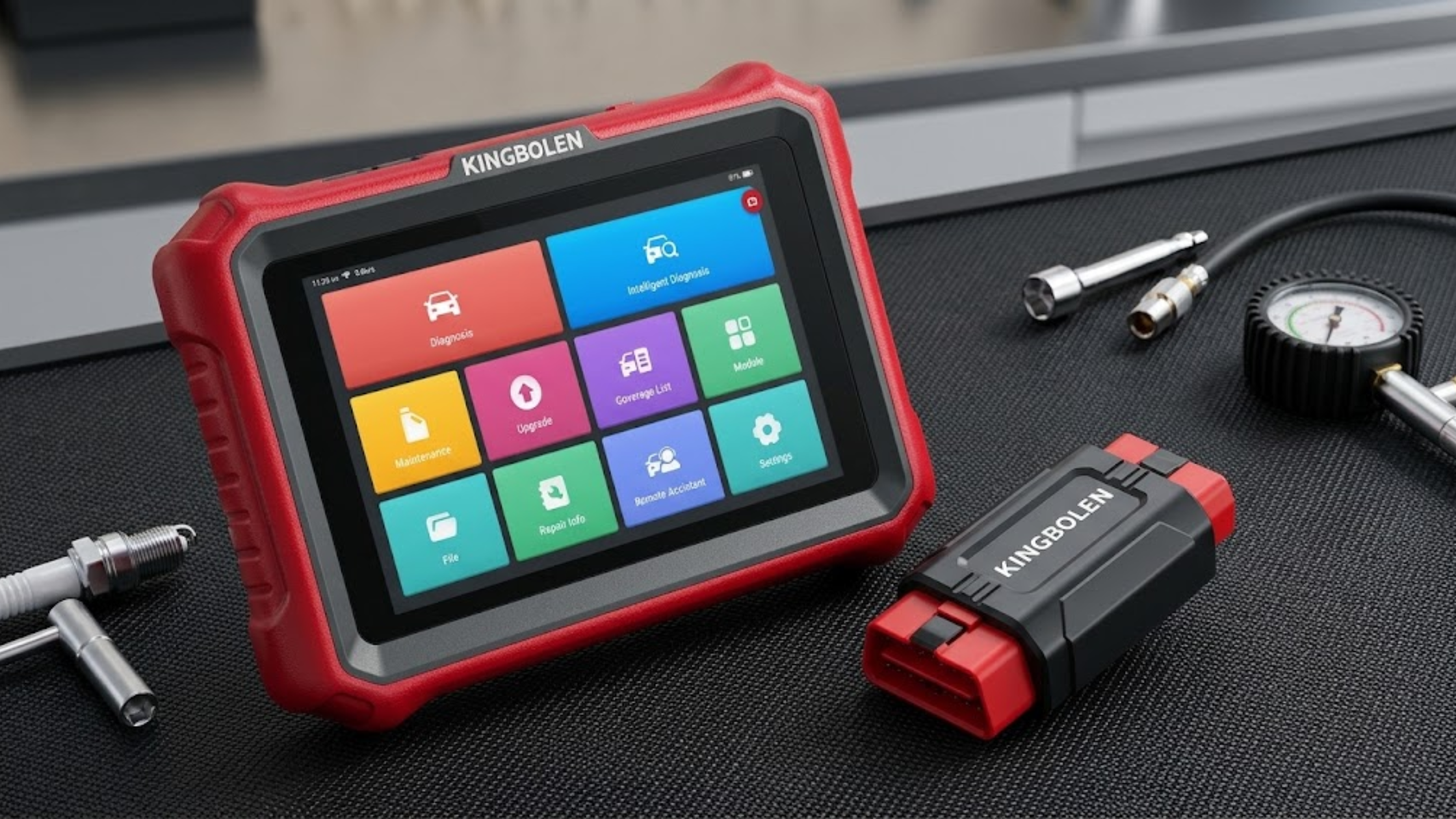
Learn how to diagnose common car problems using automotive diagnostic tools, OBD2 scanners, and car battery testers. Explore practical troubleshooting tips and Kingbole diagnostic equipment.
Have you ever struggled to start your car or noticed an unexpected dashboard warning light? These problems can cause frustration, especially when you cannot identify their underlying causes. Moreover, visiting a mechanic for every minor issue can increase maintenance costs. Fortunately, the right diagnostic equipment helps you understand many common vehicle problems. Modern tools reveal useful information about battery health, engine performance, and electronic systems. Therefore, learning to use these tools helps you make smarter maintenance decisions. Automotive Diagnostic Tools help drivers and mechanics investigate vehicle issues more efficiently. For example, these devices check battery performance and read engine fault codes. Additionally, Kingbole US ES FR offers diagnostic equipment worth exploring for your vehicle maintenance needs. By choosing suitable tools, you can identify potential problems before they require expensive repairs.
Common Car Problems That Drivers Face
Understanding common vehicle symptoms helps you choose the right diagnostic approach. However, similar warning signs can indicate different vehicle problems.
1. Difficulty Starting Your Vehicle
First, check whether a weak battery or faulty electrical connections prevent your car from starting. Alternatively, a failing starter motor or charging system may cause similar symptoms. Therefore, avoid replacing the battery immediately, as another issue might cause the problem. Instead, test the electrical system first to narrow down possible causes.
2. Unexpected Check Engine Lights
The check engine light can indicate various engine or emissions-related problems. For example, a loose fuel cap may trigger certain warnings. However, faulty sensors or ignition problems can also activate the light. Without diagnostic information, you may struggle to identify the underlying issue. Therefore, use an appropriate scanner to retrieve stored fault codes. These codes provide useful starting points for further investigation.
3. Repeated Battery Problems
Some drivers experience dead batteries even after replacing them recently. However, the battery might not cause every starting problem. A faulty alternator, excessive electrical drain, or poor connections can also cause problems. Therefore, check the battery condition and charging performance before replacing the battery again.
Why Do These Automotive Problems Occur?
Several mechanical and electrical issues can affect vehicle performance. Therefore, understanding their causes helps you troubleshoot problems more effectively.
Battery Wear and Charging Issues
Car batteries gradually lose capacity as they age. Additionally, extreme temperatures, repeated short journeys, and prolonged inactivity can accelerate battery deterioration. Meanwhile, charging system problems can prevent the battery from receiving enough power. Therefore, test the battery and charging system to distinguish battery weakness from other electrical faults.
Sensor Malfunctions and Electronic Errors
Modern vehicles use electronic control modules and sensors to manage various functions. For example, these components monitor engine operation, emissions, and other vehicle systems. When a sensor detects an abnormal reading, the vehicle may store a diagnostic trouble code. However, this code does not automatically identify a failed component. Instead, it indicates a system or condition that requires further investigation.
Poor Maintenance and Loose Connections
Corroded battery terminals can disrupt electrical flow. Similarly, damaged wiring and neglected maintenance can cause recurring problems. Therefore, inspect the system regularly to identify issues before they worsen. Additionally, combine visual checks with suitable diagnostic equipment for a more complete picture.
Practical Ways to Diagnose Car Problems
You can investigate many common symptoms by following a structured troubleshooting process. Therefore, start with simple inspections before purchasing replacement parts.
1. Check Your Battery Condition
First, inspect the battery terminals for corrosion, looseness, or visible damage. However, never touch damaged electrical components without understanding the associated risks. Next, use a suitable battery tester to evaluate the battery's condition. Depending on the model, some testers measure voltage, starting performance, and estimated battery health. Additionally, Kingbole US ES FR offers automotive diagnostic products that can help simplify battery testing and vehicle maintenance. Car battery testers help identify weak batteries and prevent unnecessary replacements. However, testing procedures vary according to the battery type and tester specifications. Finally, follow the manufacturer's instructions and seek professional assistance if results remain unclear.
2. Read Diagnostic Trouble Codes
If your dashboard displays a check engine light, consider using a compatible scanner. Most compatible vehicles support OBD2 diagnostics through a standardized diagnostic connector. An OBD2 scanner retrieves diagnostic trouble codes from supported vehicle systems. Depending on the model, it may also display live sensor data and freeze-frame information. Therefore, use these codes to guide further investigation instead of replacing parts immediately. Additionally, verify each code's meaning for your specific vehicle.
3. Inspect the Charging System
A faulty alternator or charging system may cause a weak battery. Therefore, check whether the charging system meets the vehicle manufacturer's specifications. Additionally, some advanced testers evaluate battery and charging system performance together. This approach helps you distinguish charging faults from battery deterioration. However, diagnosing charging system problems may require additional equipment and technical knowledge.
4. Keep Records of Diagnostic Results
Record fault codes, battery test results, and observed symptoms. These records help you identify recurring problems and explain them clearly to a mechanic. Additionally, compare new results with previous readings under similar conditions. Consequently, consistent records help you make better-informed maintenance decisions.
Choosing the Right Automotive Diagnostic Tools
The best equipment depends on your vehicle, experience, and maintenance requirements. Basic tools suit occasional checks, while advanced devices offer broader diagnostic capabilities.
Compare Essential Tool Types
- Basic code readers: Retrieve common engine-related diagnostic trouble codes.
- Advanced OBD2 scanners: Provide live data, clear codes, and support additional diagnostic functions.
- Car battery testers: Evaluate battery condition and, on suitable models, assess starting performance.
- Professional diagnostic scanners: Support additional vehicle systems, service functions, and manufacturer-specific diagnostics.
Compare Essential Tool Types - Basic code readers: Retrieve common engine-related diagnostic trouble codes. - Advanced OBD2 scanners: Provide live data, clear codes, and support additional diagnostic functions. - Car battery testers: Evaluate battery condition and, on suitable models, assess starting performance. - Professional diagnostic scanners: Support additional vehicle systems, service functions, and manufacturer-specific diagnostics. Before purchasing, verify vehicle compatibility and confirm which functions each tool supports. However, some scanners cannot access ABS, airbag, transmission, or other specialized systems.
Exploring Kingbole US ES FR for Diagnostic Equipment
If you want to upgrade your vehicle maintenance setup, consider Kingbole US ES FR automotive diagnostic equipment. When comparing its products, prioritize features that address your specific troubleshooting needs. For example, occasional drivers may prefer simple code readers and basic battery testing functions. Meanwhile, experienced users may benefit from live data, broader system coverage, and advanced testing functions. However, each model offers different capabilities and features. Before purchasing Kingbole US ES FR equipment, review compatibility details and supported diagnostic protocols. Also, check the included features, warranty terms, and available technical support.
Benefits of Upgrading Your Diagnostic Equipment
Reliable diagnostic equipment can streamline troubleshooting. However, you must choose suitable tools and interpret their results correctly..
Reduce Unnecessary Repair Expenses
Diagnostic information helps you investigate potential causes before purchasing replacement parts. Consequently, you can avoid spending money on components that still function properly. However, seek professional diagnosis when problems involve complex systems.
Conclusion: Choose Automotive Diagnostic Tools That Match Your Needs
Diagnosing car problems becomes easier when you recognize common symptoms and use suitable equipment. First, inspect visible connections, check battery condition, and retrieve relevant fault codes. Next, choose Car Battery Testers, OBD2 Scanners, or broader Automotive Diagnostic Tools based on your needs. Additionally, verify vehicle compatibility before purchasing any equipment. If you consider Kingbole US ES FR, compare individual models carefully and prioritize practical features. Therefore, avoid paying extra for features you rarely need. Ultimately, informed maintenance decisions can save time, reduce unnecessary expenses, and support reliable vehicle ownership.
live smarter
Shop smarter, live better, and stay ahead of the trends with our reliable recommendations!





trending
Life Style
7 min read
How to Choose Heavy-Duty Clothing That Withstands Tough Workdays
Technology
7 min read
How to Create a More Comfortable Workspace With an Ergonomic Keyboard and Mouse
Sport
8 min read
How to Choose Boxing and MMA Gear for Safer, More Effective Training
Food
5 min read
How to Brew Coffee Like a Barista at Home Without Overcomplicating It
Health
5 min read
Purified Water vs Spring Water: Which One Is Actually Better for Your Health?
Travel
6 min read