
Life Style
7 min read
Difference Between Quartz and Mechanical Watch: Which Is Right for You?
October 24 , 2026
By Liam Parker
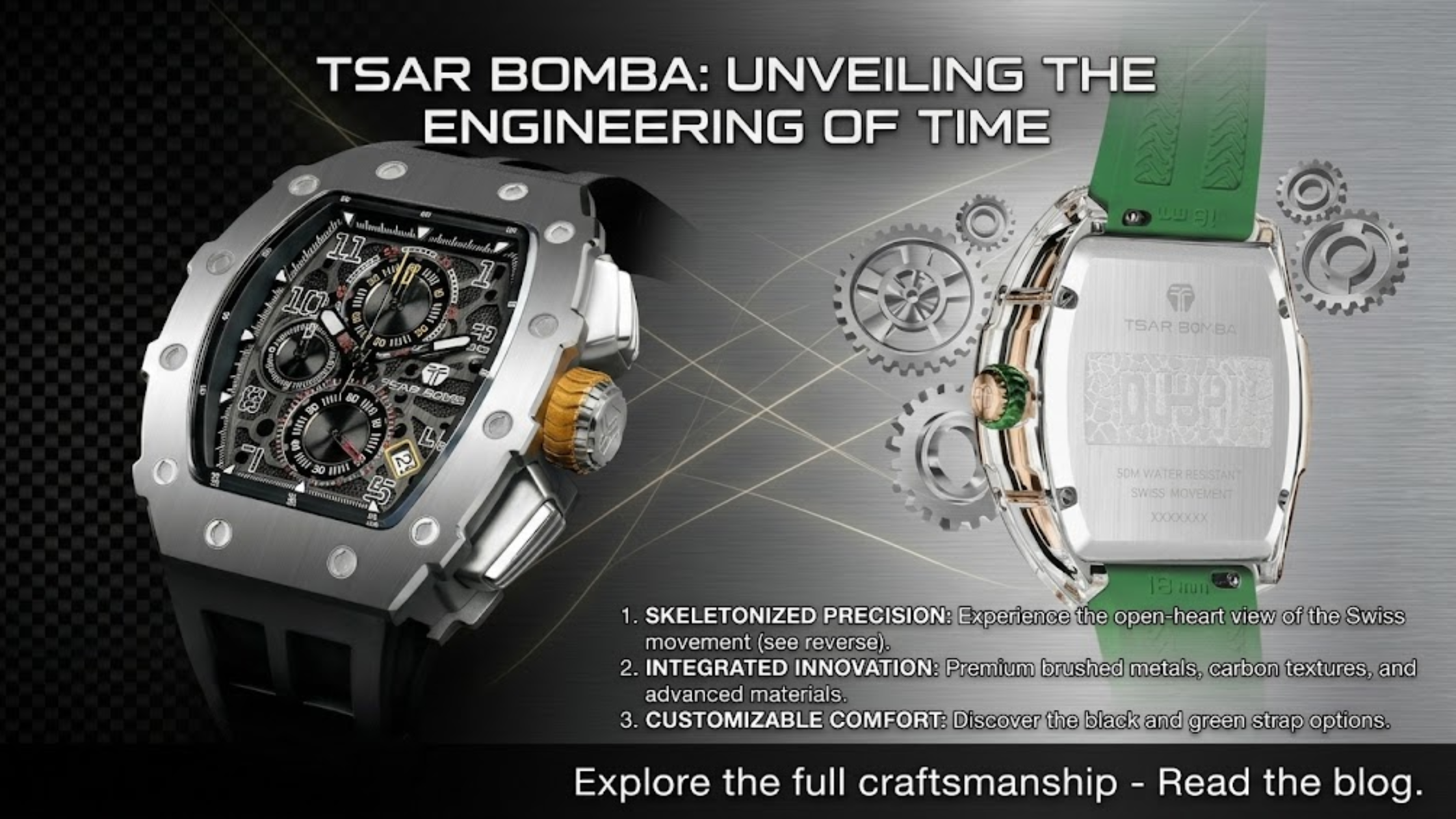
Learn the difference between quartz and mechanical watches, including accuracy, maintenance, water resistance, and craftsmanship. Discover how to choose the right watch for your lifestyle.
Choosing a watch involves more than finding a design that matches your style. You must also consider accuracy, maintenance, durability, and everyday convenience. Understanding the difference between quartz and mechanical watch movements helps you avoid choosing a timepiece that doesn't suit your lifestyle.Some watches prioritize precision and convenience, while others appeal to enthusiasts who appreciate traditional craftsmanship. Additionally, features like water resistance and automatic winding can influence your decision. Understanding quartz vs automatic movements helps you confidently choose a watch that balances performance, style, and value.
Why Choosing the Right Watch Movement Matters
Many buyers focus on appearance when purchasing a watch. However, the movement inside determines how the watch keeps time and what maintenance it requires.A beautiful watch can become frustrating if it needs frequent adjustments or regular servicing. Similarly, a technically impressive timepiece might not suit someone who prefers simple, low-maintenance accessories.Understanding the difference between quartz and mechanical watch technology helps you match your purchase to your daily routine. It also makes comparing premium watches easier, especially when evaluating their long-term practicality.
Understanding the Difference Between Quartz and Mechanical Watch Movements
Quartz and mechanical watches measure time differently. Each technology offers distinct advantages, so neither option suits everyone.
How Quartz Watches Work
Quartz watches use a battery to power an electronic circuit. The circuit sends electricity through a quartz crystal, causing it to vibrate at a consistent frequency. The watch uses these vibrations to measure time.
This technology offers several practical advantages:
- High accuracy: Quartz watches generally keep time more accurately than mechanical alternatives.
- Low maintenance: Most quartz watches require only periodic battery replacement.
- Everyday convenience: You usually don't need to wind a quartz watch.
- Accessible pricing: Quartz movements often cost less than comparable mechanical movements.
Quartz watches work particularly well for busy professionals, travelers, and anyone who values dependable timekeeping without additional effort.
How Mechanical and Automatic Watches Work
Mechanical watches use a mainspring to store energy and gears to regulate timekeeping. Traditional mechanical watches typically require manual winding to maintain power.Automatic watches follow the same mechanical principle but feature a rotor that winds the mainspring through wrist movement. This distinction explains an important part of the quartz vs automatic comparison.Automatic watches appeal to people who appreciate traditional engineering, intricate components, and finely crafted timepieces.However, mechanical movements generally require more maintenance than quartz movements. They can also lose or gain more time, depending on their construction, condition, and adjustment.
Quartz vs Automatic: Which Performs Better?
The best choice depends on how you plan to use your watch. Quartz watches use batteries as their power source and generally offer more accurate timekeeping. They usually require no winding and need less maintenance, making them ideal for everyday convenience. In contrast, automatic watches use a wound mainspring and rely on wrist movement to keep the spring wound. Their accuracy varies by movement, and they generally require periodic servicing. While quartz watches offer practical, dependable performance, automatic watches appeal to enthusiasts who appreciate traditional craftsmanship and mechanical character. When comparing quartz vs automatic watches, consider your priorities rather than choosing based on prestige alone.If you want straightforward accuracy, quartz may be the better option. However, if you appreciate mechanical engineering and traditional watchmaking, an automatic model could offer greater personal satisfaction.
Why Water Resistance Matters When Buying a Watch
Movement type is only one consideration when choosing a reliable timepiece. Water resistance also matters, particularly if you exercise outdoors, swim, or frequently encounter rain.A watch labeled water resistant 20 bar has a nominal pressure rating equivalent to 20 atmospheres, approximately 200 meters of water pressure under standardized testing conditions.This rating generally indicates stronger water resistance than everyday splash protection. Nevertheless, it doesn't guarantee suitability for every water activity or depth.Before swimming or diving, check the manufacturer's instructions and the watch's intended use. Water resistance can also deteriorate as seals age or the case experiences damage.For everyday buyers, a water resistant 20 bar watch can offer additional versatility when the manufacturer approves the intended activity.Remember that water resistance doesn't automatically mean shock resistance, corrosion resistance, or suitability for professional diving. Always evaluate the complete specifications rather than relying on one number.
Practical Ways to Choose the Right Watch
You can narrow your options by considering how a watch fits into your everyday routine.
1. Identify Your Daily Requirements
Think about when and where you'll wear the watch. Office workers might prioritize accuracy and understated styling, while outdoor enthusiasts may need stronger water resistance and a durable case.
2. Consider Maintenance Costs
Quartz watches generally require fewer routine interventions. Automatic watches need periodic servicing, and their maintenance costs depend on the movement and manufacturer.Consider these expenses before committing to a premium timepiece.
3. Evaluate Water Resistance
Check the stated rating and manufacturer's guidance. If you regularly participate in water activities, select a watch designed for those conditions instead of assuming every water-resistant model offers equal protection.
4. Prioritize Build Quality
Examine the case material, crystal, strap, clasp, and overall finishing. These details influence comfort, durability, and how well the watch withstands everyday wear.
5. Balance Function With Personal Style
A watch should complement your lifestyle as well as your wardrobe. Consider dial readability, case dimensions, weight, and whether you prefer minimalist styling or a more distinctive design.
Exploring Premium Watches From TSAR Bomba
Once you understand the difference between quartz and mechanical watch movements, you can evaluate premium watches more confidently.TSAR Bomba is worth exploring if you want a distinctive timepiece that combines contemporary styling with a substantial wrist presence. Its collection includes designs aimed at buyers who appreciate bold aesthetics and modern watch design.Rather than choosing a watch solely because of its appearance, examine each model's movement, case construction, water-resistance rating, and intended use.For example, a quartz model may suit someone who prioritizes convenient timekeeping. An automatic model may appeal more to someone who enjoys mechanical movements and traditional craftsmanship.If you need a watch for swimming or other water activities, verify whether the specific model offers water resistant 20 bar protection. Always confirm its official specifications before purchasing.Exploring TSAR Bomba alongside other premium options allows you to compare practical features with design preferences. This approach helps you identify a watch that feels worthwhile long after the initial purchase.
Benefits of Choosing a Watch That Matches Your Lifestyle
Selecting the right watch can make everyday timekeeping more convenient while reducing unnecessary maintenance or disappointment.A suitable quartz watch offers reliable accuracy and straightforward ownership. Meanwhile, an automatic watch provides mechanical character and a traditional experience.Choosing appropriate water resistance also gives you greater confidence when your routine includes exposure to moisture. Additionally, evaluating materials and construction helps you find a timepiece that better matches your durability expectations.These benefits become especially important when purchasing a premium watch. A higher price should make sense in terms of design, specifications, craftsmanship, and personal enjoyment.
Conclusion: Make a Smarter Watch Purchase
Understanding the difference between quartz and mechanical watch movements helps you choose based on performance, convenience, and personal preference.Quartz watches generally suit buyers who value accuracy and minimal maintenance. Automatic watches appeal to those who appreciate mechanical craftsmanship and traditional watchmaking.Likewise, water resistance deserves careful attention if your lifestyle involves swimming or outdoor activities. A water resistant 20 bar rating can provide greater versatility when the watch is designed and approved for your intended use.Before purchasing, compare specifications, maintenance requirements, and comfort alongside appearance. You can also explore TSAR Bomba to discover designs that align with your preferences.Ultimately, the best watch is one that fits your routine, meets your practical needs, and offers lasting enjoyment.
live smarter
Shop smarter, live better, and stay ahead of the trends with our reliable recommendations!
Technology
7 min read
How to Diagnose Common Car Problems with the Right Automotive Diagnostic Tools




trending
Life Style
7 min read
How to Choose Heavy-Duty Clothing That Withstands Tough Workdays
Technology
7 min read
How to Create a More Comfortable Workspace With an Ergonomic Keyboard and Mouse
Sport
8 min read
How to Choose Boxing and MMA Gear for Safer, More Effective Training
Food
5 min read
How to Brew Coffee Like a Barista at Home Without Overcomplicating It
Health
5 min read
Purified Water vs Spring Water: Which One Is Actually Better for Your Health?
Travel
6 min read