
Life Style
7 min read
How to Choose Linen Curtains and Thermal Curtains for a More Comfortable Home
October 26 , 2026
By Fiamma Trentini
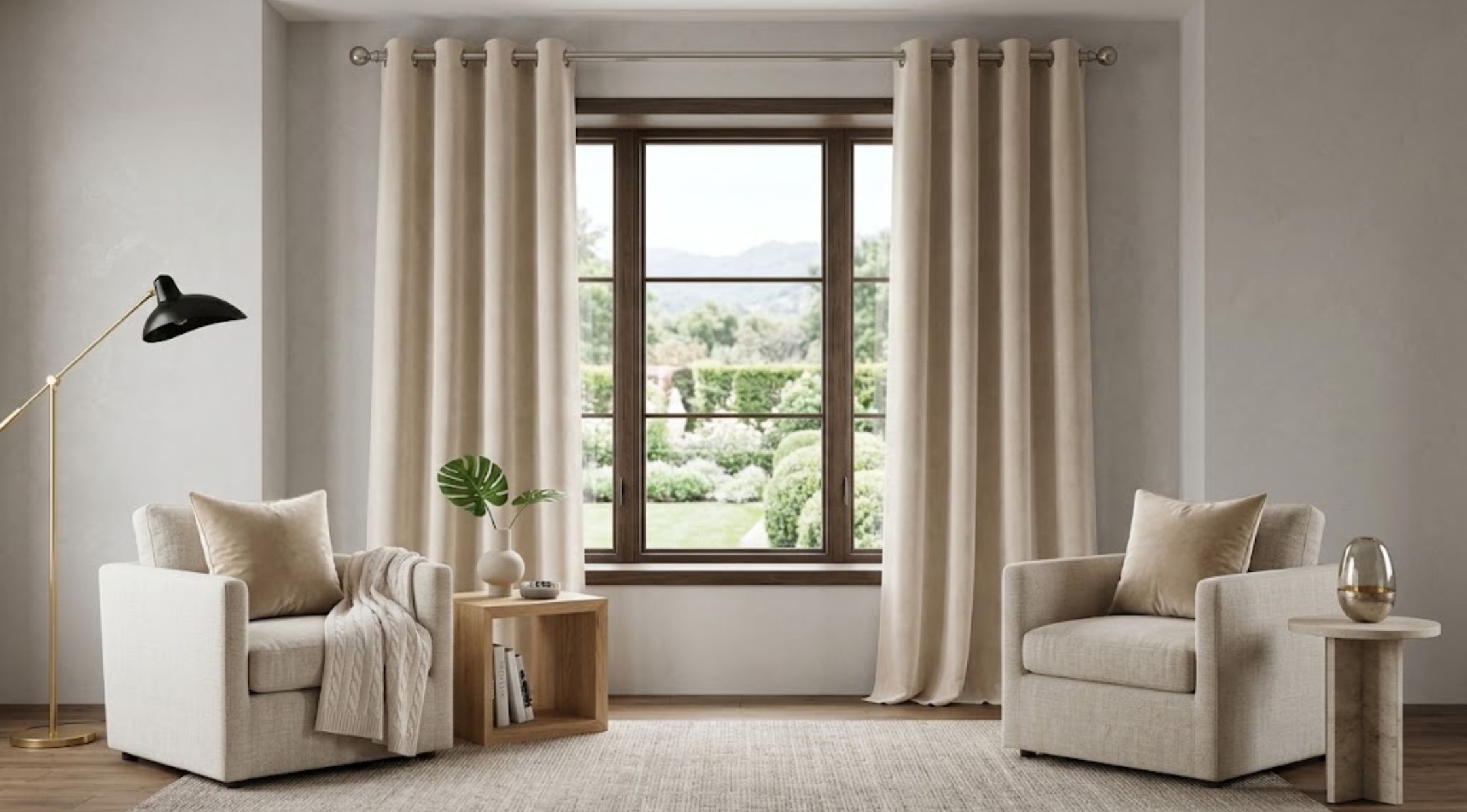
The problem may not be your furniture or wall color. Sometimes, the right curtains make all the difference.
Have you ever decorated a room beautifully, only to find that it still feels too bright in the morning, too cold near the windows in winter, or somehow unfinished? The problem may not be your furniture or wall color. Sometimes, the right curtains make all the difference.
Choosing window treatments can be tricky because style and practicality do not always go hand in hand. Lightweight fabrics can make a room feel airy and inviting, while thicker materials can help manage incoming light and reduce heat transfer through windows. The good news is that you do not have to sacrifice one benefit for the other.
With the right approach, linen curtains can bring natural texture and timeless elegance to your interiors, while thermal curtains can help improve everyday comfort. Understanding how each option works will make it easier to find a solution that suits your home and lifestyle.
Common Problems Homeowners Face with Curtains
Before choosing a new set of curtains, consider what is making your current window coverings frustrating.
Rooms That Feel Too Bright or Exposed
Thin curtains can soften sunlight, but they may not provide enough privacy at night when indoor lights are on. Bedrooms and street-facing living rooms often need a better balance between natural light and privacy.
Cold Drafts and Uncomfortable Temperatures
Windows can be a source of heat loss in colder weather and unwanted heat gain in warmer conditions. If your sofa or bed sits near a window, you may notice temperature differences that make the space less comfortable.
Interiors That Look Flat or Incomplete
Even a well-furnished room can feel unfinished when the curtains are too short, too narrow, or poorly matched to the décor. Choosing the wrong fabric can also make a room feel heavier or less inviting than intended.
Curtains That Are Difficult to Maintain
Some fabrics wrinkle easily, collect dust, or require special care. If you want your home to look polished without adding complicated maintenance to your routine, fabric selection matters.
These issues often arise because curtains are chosen mainly for color or price rather than considering their texture, lining, measurements, and intended use.
Linen Curtains vs. Thermal Curtains: Understanding the Difference
Although both options can enhance your windows, they serve different purposes.
Why Linen Curtains Are Popular
Linen curtains are valued for their natural texture, relaxed appearance, and ability to complement a variety of interior styles. Their subtle weave adds depth without overwhelming a room, making them particularly suitable for minimalist, coastal, Scandinavian, and contemporary homes.
Depending on their weight and construction, linen curtains can soften daylight while maintaining an airy atmosphere. They work especially well in living rooms, dining areas, and bedrooms where you want a calm, natural look.
However, lighter linen fabrics generally offer less insulation and light blocking than heavily lined curtains. They may also wrinkle more readily than some synthetic alternatives.
How Thermal Curtains Improve Comfort
Thermal curtains are designed with materials or linings that help reduce heat transfer through windows. Their effectiveness depends on fabric construction, lining, coverage, and how closely they fit around the window.
They can be useful in bedrooms, living rooms, and other spaces where maintaining a more comfortable temperature is a priority. Some designs also provide substantial light reduction, although thermal performance and blackout capability are not automatically the same.
If you want the elegance of linen alongside improved insulation, consider lined linen curtains or a layered arrangement. Always check the product specifications to confirm which features are included.
Practical Tips for Choosing the Right Curtains
Finding the right window treatment becomes easier when you start with the needs of each room.
1. Match the Fabric to the Room
Think about how you use the space before choosing a style.
Living room: Linen curtains can add softness and texture while complementing sofas, rugs, and wooden furniture.
Bedroom: Thermal curtains or lined curtains may be useful when you want greater privacy and help managing temperature.
Home office: Consider fabrics that reduce distracting glare without making the room unnecessarily dark.
Dining room: Lightweight linen-look fabrics can create a relaxed, welcoming atmosphere.
You can also combine two layers: a sheer curtain for daytime privacy and filtered light, paired with a heavier curtain for nighttime coverage.
2. Pay Attention to Measurements
Incorrect measurements can undermine even the most attractive curtains. Measure the width of your curtain rod or track, along with the height from the intended hanging point to the desired hem.
For a fuller appearance, the combined curtain width should generally exceed the width of the window or track. The exact fullness depends on the fabric and the look you prefer.
Floor-length curtains can make a room feel taller, while sill-length styles may work better in certain kitchens or spaces with furniture beneath the window.
If your windows are unusually wide or tall, made-to-measure options can help you achieve a more tailored finish.
3. Choose Colors That Support Your Interior
Neutral shades such as ivory, beige, warm grey, and natural flax are versatile choices that work with many decorating styles. They can also help a room feel calm and cohesive.
For a more dramatic effect, consider deeper colors that complement your accent furniture or wall treatment. Before ordering, compare fabric samples with your flooring, paint, and upholstery under both daylight and artificial lighting.
4. Check the Lining and Care Instructions
A curtain's appearance does not tell you everything about its performance. Look for details about lining, light filtration, insulation, fabric composition, and cleaning requirements.
Thermal curtains may need sufficient coverage around the window to deliver their intended benefits. Similarly, linen curtains may require careful washing or pressing, depending on the fabric blend and manufacturer's instructions.
Choosing suitable hardware is important too. Heavier lined curtains need a rod or track that can safely support their weight.
When Is It Worth Investing in Premium Curtains?
If standard curtains never seem to fit properly or fail to deliver the look and functionality you want, a more tailored option may be worthwhile.
For example, Curtarra US offers custom window treatments in a range of fabrics and styles. Exploring made-to-measure curtains and different lining options can help you find a balance between natural texture, privacy, and everyday comfort.
Rather than focusing solely on the price, compare fabric quality, measurements, hanging style, lining options, and care requirements. A well-chosen premium curtain can be a more satisfying long-term purchase when it addresses your specific needs.
If you are considering linen curtains for a refined interior, check whether the selected design is lined and how much light it filters. If insulation is your priority, review the thermal features instead of assuming that every thick curtain provides the same performance.
Benefits of Upgrading Your Window Treatments
The right curtains can make your home more inviting while addressing practical concerns.
A more polished appearance: Well-fitted curtains create a finished look and help connect your window area with the rest of your décor.
Improved everyday comfort: Appropriate thermal curtains may reduce heat transfer near windows, although results depend on the window, installation, and surrounding conditions.
Flexible light control: Layering lighter and heavier fabrics lets you adjust the room for different activities and times of day.
A more personalized design: Custom sizing and a wider choice of fabrics can help you achieve the look you want without compromising on fit.
Better use of your space: Choosing curtains that suit each room means your window coverings work with your lifestyle rather than becoming another source of frustration.
Make Your Home More Comfortable with the Right Curtains
The best curtains are not simply the ones that look attractive in a photograph. They are the ones that suit your windows, support your daily routine, and complement your interior
Choose linen curtains when natural texture and a relaxed, elegant appearance are priorities. Consider thermal curtains when temperature management and additional coverage matter more. If you need both, explore lined fabrics or layered window treatments that combine the benefits you value.
Before buying, measure carefully, compare product specifications, and check fabric samples whenever possible. You can also explore the custom options available from Curtarra US to compare styles and find a solution that fits your space.
With thoughtful choices, your curtains can do more than decorate a window. They can help create a home that feels comfortable, cohesive, and unmistakably yours.
live smarter
Shop smarter, live better, and stay ahead of the trends with our reliable recommendations!

Technology
7 min read
How to Create a More Comfortable Workspace With an Ergonomic Keyboard and Mouse



trending
Life Style
6 min read
How to Choose Comfortable Bedding and Soft Fabrics
Health
7 min read
How to Achieve a Fresh, Natural Look with Japanese Makeup Products
Technology
7 min read
How to Choose the Right 3D Printer Filament for Smoother, Stronger Prints
Sport
7 min read
How to Choose an Exercise Bike for Fitness That Keeps You Motivated
Food
5 min read
How to Brew Coffee Like a Barista at Home Without Overcomplicating It
Travel
6 min read