
Health
7 min read
Understanding the Types of Uterine Fibroids and Finding the Right Support
October 26 , 2026
By Dylan Price
Learn about the types of uterine fibroids, their symptoms, causes, and management options. Discover how medical guidance and nutritional support can complement menstrual wellness.
Struggling with heavy periods, pelvic discomfort, or unpredictable menstrual cycles can make everyday life difficult. These symptoms may leave you wondering whether your hormones are balanced or something else affects your reproductive health. Understanding the types of uterine fibroids can help you recognize possible causes and know when to seek medical advice.
Many women also explore flo vitamins and flo supplements to support menstrual wellness. However, supplements and medical treatments serve different purposes. Understanding their roles in a broader wellness routine helps you make informed decisions without overlooking important symptoms.
What Are Uterine Fibroids?
Uterine fibroids are noncancerous growths that develop in or around the uterus. They consist primarily of smooth muscle cells and fibrous connective tissue. Their size, number, and location can influence the symptoms a person experiences.Some women have fibroids without noticing any symptoms. Others experience heavy menstrual bleeding, pelvic pressure, frequent urination, or discomfort during sex. Fibroids can also affect fertility or pregnancy in certain cases.Understanding the types of uterine fibroids matters because their location often determines how they affect the body. Although flo vitamins and flo supplements may support general wellness, they cannot remove fibroids or replace appropriate medical care.
What Are the Main Types of Uterine Fibroids?
Doctors generally classify fibroids according to where they develop in relation to the uterus.
1. Intramural Fibroids
Intramural fibroids grow within the muscular wall of the uterus. They are among the most common types of uterine fibroids and can expand as they grow.These fibroids may contribute to heavy periods, pelvic discomfort, or a feeling of fullness in the lower abdomen. Larger growths can sometimes enlarge the uterus or create pressure on nearby organs.
2. Submucosal Fibroids
Submucosal fibroids develop beneath the uterine lining and may extend into the uterine cavity. Even relatively small growths can cause significant menstrual bleeding.
Women with these fibroids may experience prolonged periods, anemia caused by blood loss, or fertility difficulties. A healthcare professional can recommend appropriate investigations and treatment based on the fibroid's size and position.
3. Subserosal Fibroids
Subserosal fibroids grow along the outer surface of the uterus. Rather than primarily affecting the uterine cavity, they may press against nearby organs as they enlarge.
Common concerns include pelvic pressure, lower back discomfort, constipation, and frequent urination. The severity depends on the growth's location and size.
4. Pedunculated Fibroids
Pedunculated fibroids attach to the uterus through a narrow stalk. They can develop on the uterus's outer surface or extend into its cavity.
These growths may cause pressure or discomfort depending on their position. In some cases, twisting of the stalk can cause sudden, severe pain that requires urgent medical assessment.
Understanding these types of uterine fibroids helps explain why symptoms vary considerably. Nevertheless, symptoms alone cannot confirm which type you have. Imaging, such as an ultrasound, can help establish a diagnosis.
What Causes Uterine Fibroids?
The exact cause of uterine fibroids remains unclear. However, several factors may influence their development and growth.
- Hormones: Estrogen and progesterone appear to influence fibroid growth.
- Genetics: A family history of fibroids may increase your likelihood of developing them.
- Age: Fibroids commonly develop during the reproductive years.
- Individual risk factors: Factors such as high blood pressure and obesity may be associated with a higher risk.
These factors do not mean you will necessarily develop fibroids. They also explain why improving your general wellness cannot guarantee that fibroids will disappear.
Practical Ways to Manage Fibroid Symptoms
Although lifestyle changes cannot eliminate fibroids, several strategies can help you manage symptoms and support your overall health.
Track Your Menstrual Cycle
Record your period dates, bleeding intensity, cramps, and other symptoms. This information can help you recognize patterns and explain your concerns during medical appointments.
Also, note whether pelvic pressure, fatigue, or urinary symptoms interfere with daily activities. Tracking these changes can help your healthcare professional assess your needs.
Prioritize Balanced Nutrition
Eat a varied diet that includes vegetables, fruits, whole grains, protein sources, and iron-rich foods. Heavy menstrual bleeding can contribute to iron deficiency, so discuss iron testing with your healthcare professional if you experience persistent fatigue or unusually heavy periods.
However, food and supplements cannot replace medical treatment when fibroids cause significant symptoms.
Maintain Healthy Daily Habits
Regular physical activity, adequate sleep, stress management, and balanced meals can support general well-being. Although these habits do not directly treat fibroids, they can help you maintain a healthier routine.
Seek Medical Advice When Necessary
Consult a healthcare professional if heavy bleeding, pelvic pain, or other symptoms affect your everyday life. An ultrasound can help identify the types of uterine fibroids present and determine their size and location.Treatment may involve medication, monitoring, or procedures, depending on your symptoms and reproductive plans. Seek urgent medical attention for sudden, severe pelvic pain or very heavy bleeding accompanied by dizziness or fainting.
Can Flo Vitamins Support Your Menstrual Wellness Routine?
Managing recurring menstrual symptoms can feel overwhelming, especially when you're balancing medical appointments with everyday responsibilities. A carefully chosen supplement may complement your broader wellness routine.Flo vitamins and flo supplements are marketed for menstrual wellness, but their benefits depend on their ingredients and your individual needs. You should not confuse them with treatments that shrink fibroids or prevent their growth.
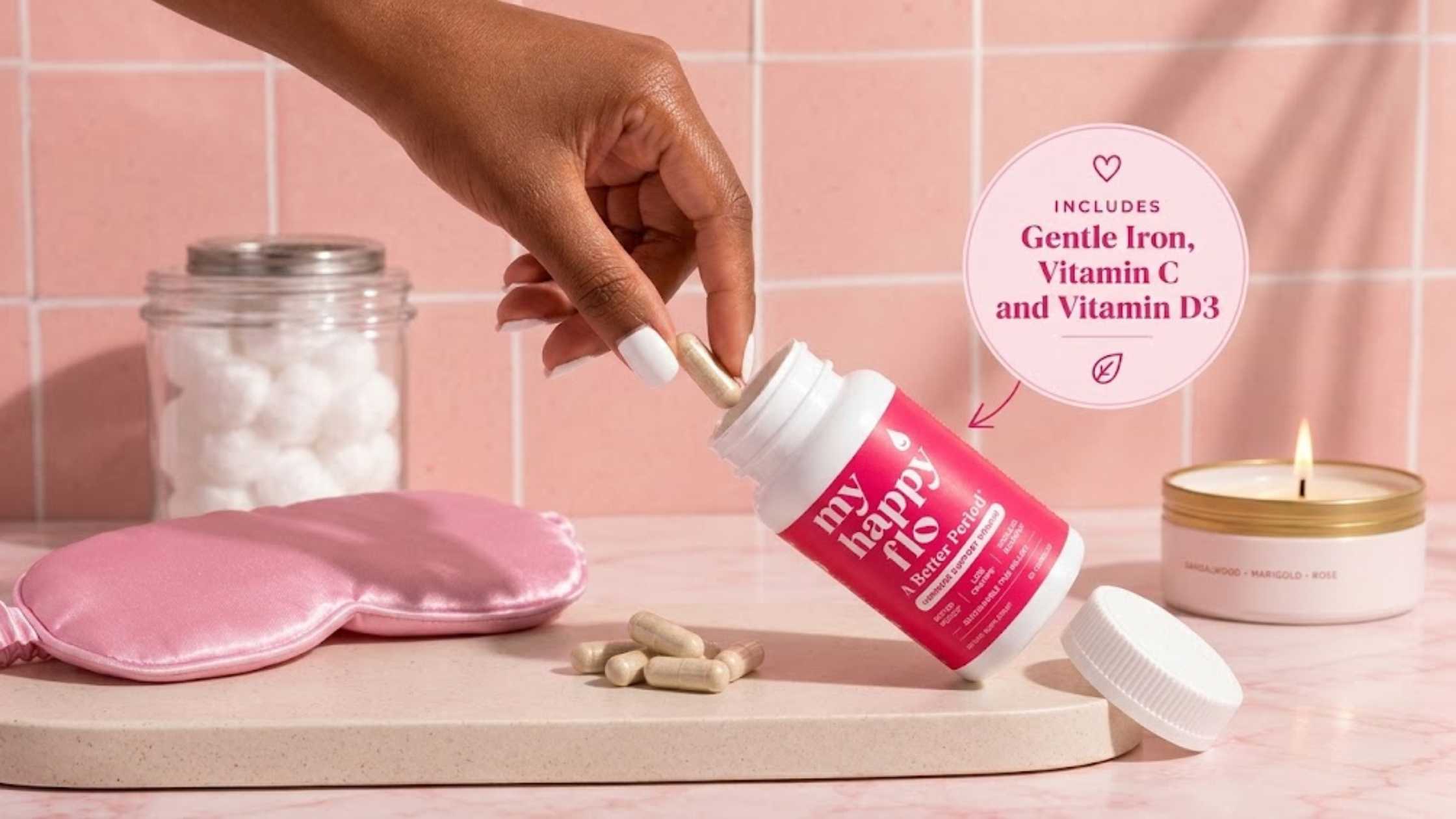
Considering My Happy Flo
My Happy Flo offers a daily supplement formulated with ingredients including iron, vitamin D3, magnesium, and other nutrients. Its product information highlights support for menstrual wellness and concerns associated with heavy periods.The formula may interest people seeking a convenient addition to their daily routine. However, individual results vary, and its claims do not establish that it treats uterine fibroids.Before choosing My Happy Flo, review its complete ingredient list and discuss its suitability with your healthcare professional. This is particularly important if you already take medication, use other supplements, or have received a fibroid diagnosis.
What Should You Consider Before Buying Flo Supplements?
Not every supplement suits every person. Before investing in flo vitamins, consider these important factors:
- Ingredient quality: Check the amounts of vitamins, minerals, and other active ingredients.
- Your individual needs: Blood tests may identify deficiencies that require specific supplementation.
- Safety and interactions: Ask a healthcare professional whether the formula suits your medical history and medications.
- Realistic expectations: Supplements may support nutritional needs, but they cannot replace fibroid diagnosis or treatment.
My Happy Flo may be one option to investigate if you want a supplement focused on menstrual wellness. Nevertheless, choose products based on your needs, verified ingredient information, and professional guidance rather than marketing promises alone.
Conclusion: Make Informed Choices for Better Menstrual Health
Understanding the types of uterine fibroids can help you recognize symptoms, ask better questions, and explore appropriate treatment options. From intramural to submucosal fibroids, each type can affect your body differently.Although flo vitamins and flo supplements may complement a balanced wellness routine, they are not proven treatments for fibroids. Medical assessment remains essential when symptoms persist or interfere with daily life.If you're exploring options such as My Happy Flo, start by understanding your symptoms and nutritional needs. With reliable information, professional guidance, and realistic expectations, you can make choices that support your well-being with greater confidence.Medical disclaimer: This article is for educational purposes only and does not replace individualized medical advice, diagnosis, or treatment.
live smarter
Shop smarter, live better, and stay ahead of the trends with our reliable recommendations!


Technology
7 min read
How to Create a More Comfortable Workspace With an Ergonomic Keyboard and Mouse



trending
Life Style
6 min read
How to Choose Comfortable Bedding and Soft Fabrics
Health
7 min read
How to Achieve a Fresh, Natural Look with Japanese Makeup Products
Technology
7 min read
How to Choose the Right 3D Printer Filament for Smoother, Stronger Prints
Sport
7 min read
How to Choose an Exercise Bike for Fitness That Keeps You Motivated
Food
5 min read
How to Brew Coffee Like a Barista at Home Without Overcomplicating It
Travel
6 min read