
Health
6 min read
How to Build a Better Baby Sleep Routine During Developmental Changes
October 26 , 2026
By Mia Collins
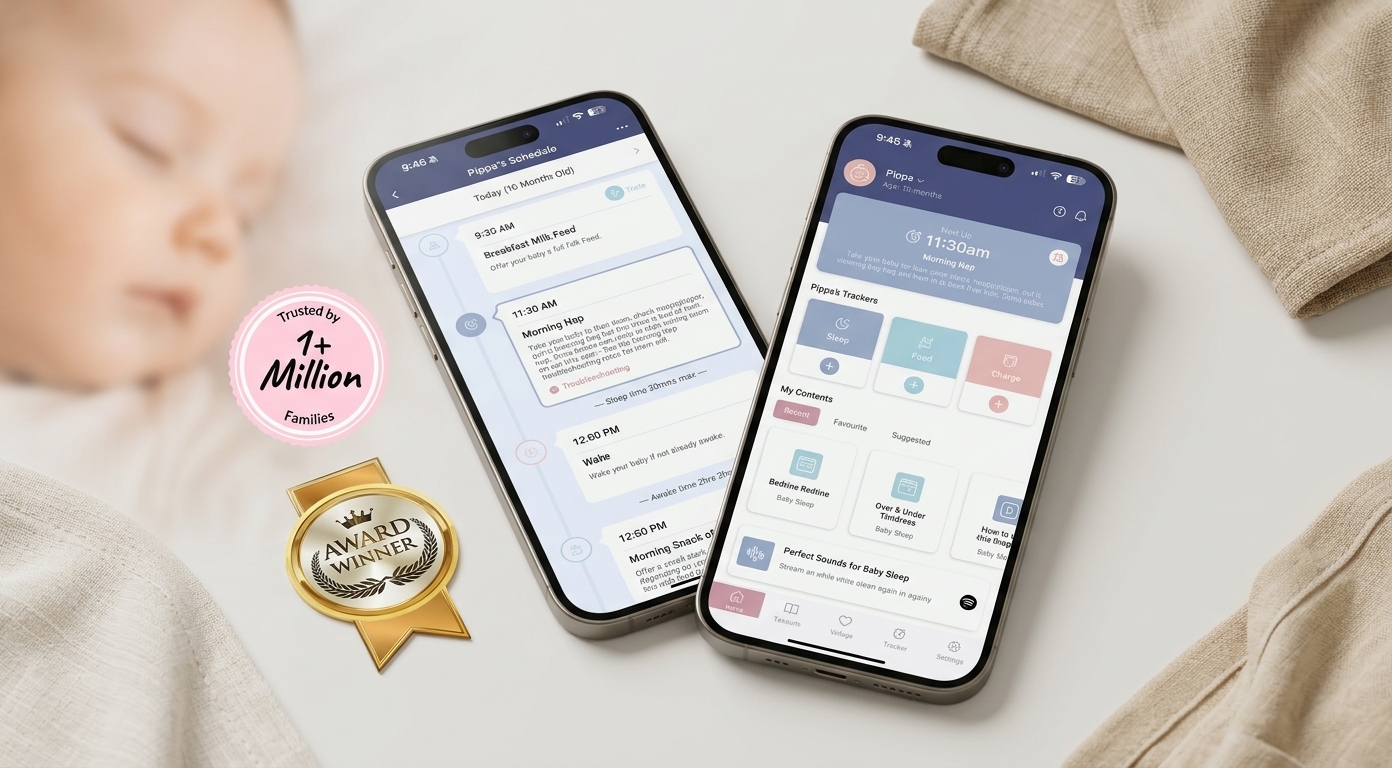
Discover how to manage baby sleep changes, create flexible nap schedules, establish calming bedtime routines, and follow essential safe sleep practices.
Parents often find the sleep routine of their baby is very different in the first year, and wonder why there are sudden changes in their sleep schedule. New skills, changing sleep requirements, separation anxiety and changing nighttime routines are all factors that may impact on a child's ability to settle at night. It's an excellent resource for parents who want to learn more about their baby's sleep patterns and the right guidance for each age group. Knowing about some of the common developmental changes can help families to come up with a flexible schedule that will cater to their baby's needs and to their own.
Knowing About Developmental Leaps and Sleep Changes
Babies pick up new skills quickly and will master rolling and sitting up, crawl, stand and talk. Parents may observe mood swings, changes in feeding, changes in naps, and/or waking at night during these times. These changes can be referred to as developmental leaps but don't forget that each baby is unique and makes their own pace.
A new skill can help to keep the baby more active throughout the day or keen to practise moves in the cot. Other factors, such as teething discomfort, illness, hunger, changes in the home environment can also affect sleep. When it comes to sleep problems it is best not to assume all are alike.
How to Deal with Sleep Changes
If sleep is erratic, it is important to first notice your baby's behavior over a period of a few days. Make note of when child wakes up, naps, bedtime and waking during the night to look for patterns. Be on the lookout for tiredness symptoms, such as yawning, decreased activity, or fussiness, and not just the 20-minute time mark.
When parents are looking into developmental leaps they need to keep in mind that babies don't all develop at the same time. Some learn new skills sooner or later than others and sleep disturbances do not always reflect a developmental milestone.
Keep the same bedtime routine, e.g. having a warm bath, relaxing conversation, reading a book or singing a lullaby. Establishing a consistent schedule helps warn that night time is coming, but doesn't need to be at exactly the same time each evening.
Creating a 12 Month Old Sleep Schedule
Many infants are beginning to have a regular daily schedule around the first birthday. Nap patterns and the need for sleep varies, however. Some kids are still taking two naps during the day, while other kids start to transition to having one longer nap in the day.
If you are looking to have a practical 12 month old sleep schedule then you should consider your child's total sleep time, the time taken to wake up in the morning, the length of their nap and the time they go to bed at night. While it varies from child to child, many of these age kids require about 11–14 hours of sleep in 24 hours, including naps.
Example of a One-Year-Old's Daily Routine
This is only a starting point and not a strict timetable, as detailed in the following example:
- 7:00 a.m.: Wake up, feed, and begin the day.
- 9:30 a.m.: If your baby doubles his/her napping, take a nap at 9:30 a.m.
- 11:00 a.m.: Wake, lunch and active play.
- 2:00 p.m.: Nap in the afternoon – adapted to the morning nap and tiredness.
- 3:30 p.m.: Wake up, snack and quiet activities.
- 6:30 p.m.: Start a relaxing bedtime routine.
- 7:00 p.m.: Bedtime (will be adjusted for naps and individual sleeping patterns).
If your child has made the switch to one nap, then a midday sleep period might be more suitable. Do not make the transition because your baby is a certain age. If you are having a problem with waking up in the morning, getting to sleep, or if you frequently don't sleep during the afternoon, you might want to look at the schedule.
This type of structure can be a great tool for Little Ones parents to see how it goes for their family and make changes as they go along.
Select a Smart Sleep Solution
As parents seek to make their sleep habits better, they may find varying sleep programs, education and tools. When considering a particular product, note if the suggestions it recommends are easily implemented, suitable for the child's age level and in line with the safe sleep standards.
When seeking out smart sleep solution 6, check on the specific product or the program referred to. The phrase alone does not define what is included in the resource, for which age group(s) it is appropriate, or whether it provides a specific method. Check out the provider's description, recommended age range and terms before buying.
Features to Look For in a Sleep Program
A helpful tool should help to set up routines, and identify signs of tiredness, then modify naps as the child develops. It should also recognize that these and other factors such as illness, feeding demands, temperament and family dynamics can impact sleep.
Be wary of claims that all babies will sleep through the night in a set period of time. No one approach fits all families and a programme should not prevent parents from responding to a baby's true needs.
Talk to your child's health care provider if your child has a sleep problem that is ongoing or has unusual symptoms. They may be able to spot potential health or developmental issues before you make significant changes in your lifestyle.
Safe Sleep: Every Parent's Guide
No matter which scheduling option you select, safety is crucial. When your baby is less than 1 year old, put your baby to sleep on their back on a firm, flat infant sleep surface. Avoid having soft items, such as pillows, loose blankets, stuffed toys, or other soft items in the sleep area.
Do not use weighted sleep products or sleep positioning devices unless recommended by a suitable medical practitioner. If your baby can roll on his or her own, both forwards and backwards, then continue to place your baby on his or her back first and follow current safe-sleep recommendations.
Keep the room at a comfortable temperature and don't overheat your baby by using too many clothes or bedding. For information on a suitable sleep environment please ask a professional health care provider or a reliable infant safety source.
Concluding Remarks About Baby Sleep
Baby sleep changes are part and parcel of parenthood, but can still be very tiring. By paying close attention to your child's behavior, following a consistent bedtime routine and gradually changing the timing of naps, life can be easier.
Knowing and understanding the developmental leaps can help you explain some of the changes and a flexible 12 month old sleep schedule can help give your baby some structure as they get closer to their first birthday. As with all smart sleep solution 6 products, verify the product and if the directions are appropriate for your child.
Families can establish sleep routines that promote healthy sleep when they approach it with patience, reasonable expectations and safe sleep habits, and not assume that every night will be perfect.
live smarter
Shop smarter, live better, and stay ahead of the trends with our reliable recommendations!


Technology
7 min read
How to Diagnose Common Car Problems with the Right Automotive Diagnostic Tools



trending
Life Style
6 min read
How to Choose Adaptive Clothing and Footwear
Technology
7 min read
How to Create a More Comfortable Workspace With an Ergonomic Keyboard and Mouse
Sport
8 min read
How to Choose Boxing and MMA Gear for Safer, More Effective Training
Food
5 min read
How to Brew Coffee Like a Barista at Home Without Overcomplicating It
Health
5 min read
Purified Water vs Spring Water: Which One Is Actually Better for Your Health?
Travel
6 min read