
Life Style
7 min read
How to Choose the Best Standing Desk in Australia for a More Comfortable Home Office
October 26 , 2026
By Victoria Lane
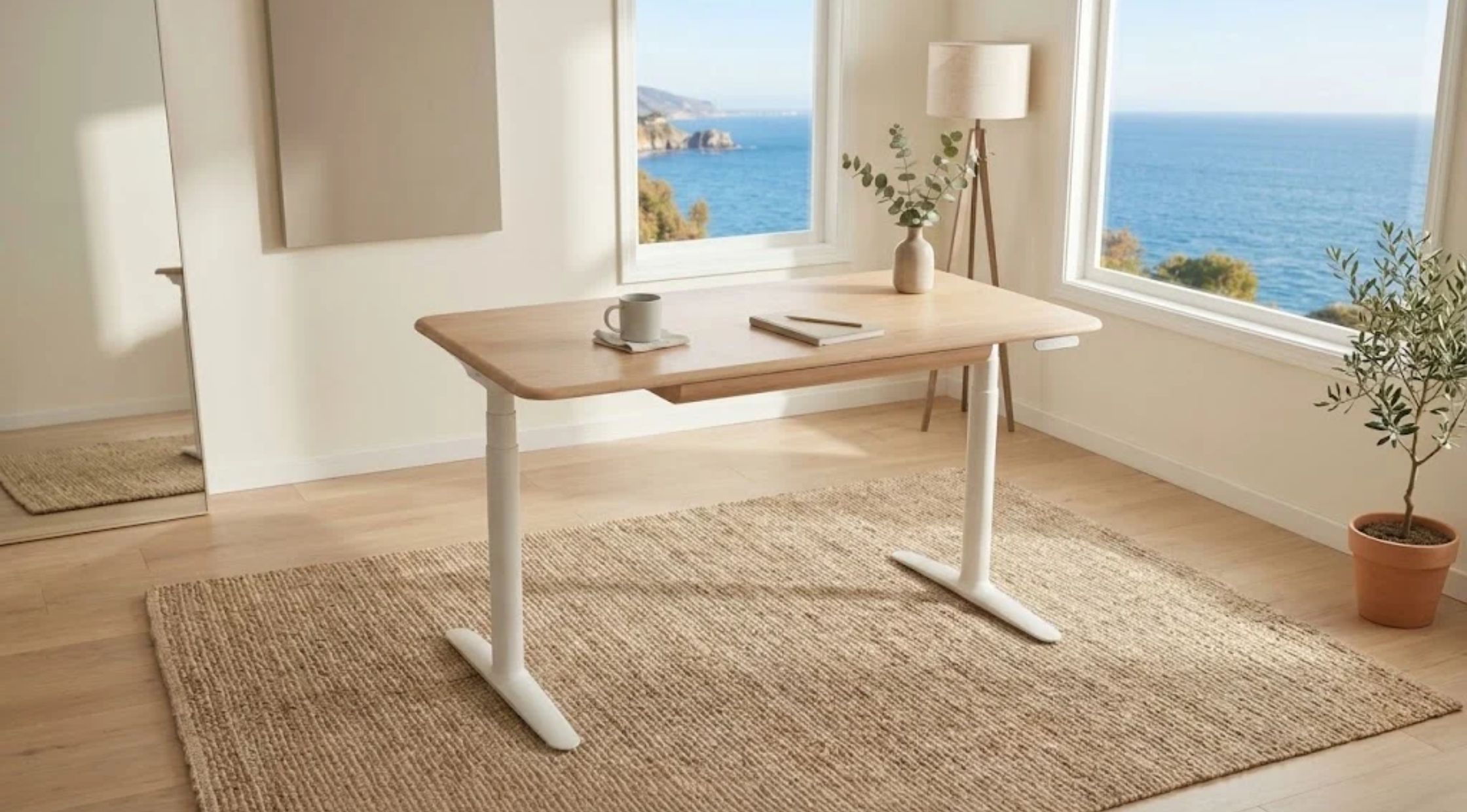
If you work from home, your workspace could be contributing to the problem.
Do you finish your workday with a stiff back, tired shoulders, or the feeling that sitting at your desk for hours has drained your energy? If you work from home, your workspace could be contributing to the problem. A desk that is too high, a cramped setup, or a chair that does not support your posture can make everyday tasks less comfortable than they need to be.
The good news is that improving your workspace does not require a complete home renovation. Choosing the right Home Office Desk and making a few ergonomic adjustments can help you create a more practical environment for working, studying, and managing daily tasks.
For Australians setting up or upgrading their workspace, a Standing Desk Australia search can be a useful starting point. Height-adjustable desks offer the flexibility to alternate between sitting and standing, helping you build more movement into your routine while keeping your work essentials within reach.
Common Problems with a Home Office Desk
A home office often starts with whatever furniture is available. While that may work temporarily, everyday discomfort can become noticeable when you spend several hours at your workstation.
Sitting for Too Long
Working in one position for extended periods can leave you feeling stiff and uncomfortable. Even with a supportive chair, remaining seated throughout the day limits movement.
A height-adjustable desk gives you another option by allowing you to switch positions during suitable tasks. However, standing all day is not the answer either. Regular movement and changing positions are more practical goals.
Poor Desk Height and Posture
If your desk is too high, you may raise your shoulders while typing. If it is too low, you might lean forward or hunch over your keyboard.
Over time, these awkward positions can contribute to discomfort in your neck, shoulders, wrists, and back. The issue is often the relationship between your desk, chair, monitor, and body rather than any single piece of furniture.
Limited Space and Unnecessary Clutter
A small desk can quickly become crowded with a laptop, monitor, keyboard, notebooks, chargers, and a cup of coffee. When essential items compete for space, you may find yourself working in an awkward position.
A suitable desk should accommodate your equipment while leaving enough room for comfortable movement.
Why Your Workspace May Not Be Working
The main problem with many home offices is that they are designed around furniture rather than the person using it.
Standard desks generally have a fixed height, which may not suit every user's proportions. A chair can provide some adjustment, but it cannot always compensate for a poorly positioned work surface.
Another issue is choosing furniture based on appearance alone. A stylish desk may look great in a room, but it may not offer enough surface area, adjustable height, or cable-management options for your daily needs.
Before replacing your furniture, identify what is causing the greatest inconvenience. Is it your posture, limited space, a lack of movement, or an uncomfortable desk height? Understanding the problem will help you choose a more effective solution.
Practical Ways to Improve Your Home Office
You can make meaningful improvements without spending money on every new accessory.
1. Set Up Your Desk and Chair Correctly
Start by adjusting your chair so your feet rest comfortably on the floor, with your knees approximately level with your hips. Keep your shoulders relaxed and position your elbows close to your body when typing.
Your keyboard and mouse should be within easy reach. Position your monitor roughly an arm's length away as a starting point, adjusting the distance and height to suit your vision and comfort.
A well-planned Home Office Desk setup should allow you to work without repeatedly stretching, twisting, or leaning forward.
2. Make Room for Your Essential Equipment
Before purchasing a desk, list the equipment you use daily. A laptop-only setup needs less space than a workstation with two monitors, speakers, and external accessories.
Measure the available floor and wall space, allowing room for your chair to move freely. If you work in a bedroom or shared living area, consider a streamlined design that complements your existing furniture.
Look for practical features such as cable openings, storage options, and a surface large enough for your equipment.
3. Introduce Movement into Your Routine
You do not need to stand for hours to benefit from changing positions. Try alternating between sitting and standing throughout the day, taking short walking breaks, and stretching when appropriate.
A standing desk makes these transitions easier because you can adjust the work surface instead of rearranging your entire setup.
Start gradually and use whichever position feels comfortable. If standing causes discomfort, adjust your setup and consider seeking professional advice if the problem persists.
4. Consider Your Long-Term Needs
Think about how your work habits might change over time. You may eventually add a monitor, upgrade your computer, or use the desk for hobbies and study.
Choosing a desk with suitable dimensions, stable construction, and enough adjustment range can help you avoid another furniture upgrade too soon.
Choosing a Standing Desk in Australia
When comparing a Standing Desk Australia option, look beyond the product photos and advertised features. A good purchase should suit your body, room, equipment, and budget.
Consider these important details:
Height range: Check that the desk adjusts to a comfortable seated and standing height for you.
Weight capacity: Make sure it can safely support your monitors, computer, and accessories.
Stability: A stable work surface is especially important when typing or using multiple monitors.
Adjustment controls: Simple controls and useful height presets can make switching positions more convenient.
Desk dimensions: Choose a surface that accommodates your equipment without overwhelming your room.
Warranty and assembly: Review warranty coverage, delivery details, assembly requirements, and after-sales support.
Australians should also compare local delivery costs, availability, and return conditions before committing to a larger furniture purchase.
When Is a Premium Standing Desk Worth It?
If your current desk limits your posture, movement, or available workspace, upgrading to a height-adjustable model may be a worthwhile investment.
For example, 9am Home offers standing desks designed for modern home offices, including electric height-adjustable options and desk styles suited to different workspace preferences. Comparing these options can help you decide whether adjustable height, a particular desktop finish, or a larger work surface would genuinely improve your routine.
A premium desk is not automatically the right choice for everyone. Focus on features you will use regularly, such as a suitable height range, reliable adjustment, stable construction, and enough space for your equipment.
The aim is to make working more comfortable and convenient, not simply to buy the desk with the longest feature list.
Benefits of Upgrading Your Home Office
The right desk can help you create a workspace that is easier to use throughout the day.
Greater flexibility: Alternating between sitting and standing allows you to change positions without interrupting your workflow.
A more organized setup: Adequate surface space and thoughtful cable management help reduce clutter.
Better ergonomic adjustments: A desk with the appropriate height range makes it easier to position your monitor, keyboard, and chair comfortably.
A workspace that suits your home: Modern designs and different desktop finishes can complement your existing interior.
Room to adapt: A well-chosen desk can accommodate changes to your equipment and working habits.
Remember that furniture alone cannot guarantee better health or eliminate pain. Combining a suitable workstation with regular movement, sensible ergonomic adjustments, and appropriate professional advice when needed is a more balanced approach.
Build a Home Office That Works for You
Your workspace should support your daily routine rather than make it harder. Start by identifying the problems with your current setup, measure your available space, and consider how much flexibility you need.
If you are exploring a Standing Desk Australia option, compare height ranges, stability, desktop dimensions, and practical features before making a decision. A carefully selected Home Office Desk can help you create a workspace that feels more organized, adaptable, and comfortable.
You can explore the standing desk range from 9am Home to compare designs and features that suit your needs. With a little planning, your home office can become a more functional space that supports the way you work every day.
live smarter
Shop smarter, live better, and stay ahead of the trends with our reliable recommendations!

Technology
7 min read
How to Create a More Comfortable Workspace With an Ergonomic Keyboard and Mouse



trending
Life Style
6 min read
How to Choose Comfortable Bedding and Soft Fabrics
Health
7 min read
How to Achieve a Fresh, Natural Look with Japanese Makeup Products
Technology
7 min read
How to Choose the Right 3D Printer Filament for Smoother, Stronger Prints
Sport
7 min read
How to Choose an Exercise Bike for Fitness That Keeps You Motivated
Food
5 min read
How to Brew Coffee Like a Barista at Home Without Overcomplicating It
Travel
6 min read